
Description
PG&E Utility Applicant Design in Tehama by 1 America Utility Design
1 America Utility Design provides PG&E Utility Applicant Design in Tehama and throughout Tehama County for builders, developers, engineers, and property owners. We create PG&E-compliant electric and gas design packages, coordinate with utility reviewers, and lay out safe, buildable routes for new or upgraded service, including complex shared driveways and multi-lot access roads.
What PG&E Utility Applicant Design Really Means
PG&E’s Applicant Design program lets your team hire a qualified designer instead of waiting on PG&E to draw your job. That’s where we come in.
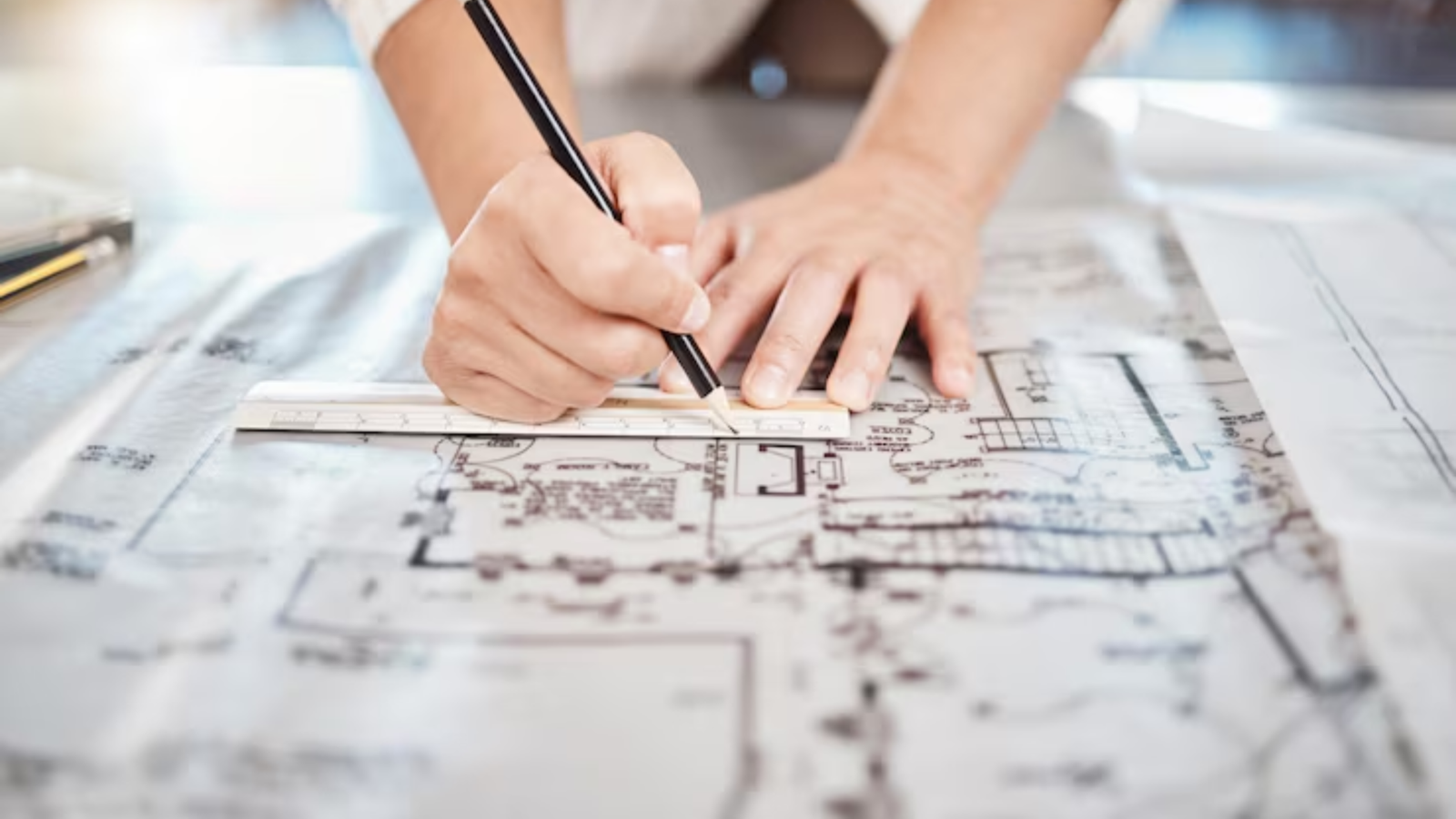
We prepare full utility design drawings and documents that match PG&E standards—conduit routes, vaults, transformer pads, meters, clearances, and service points. Then we work with PG&E planners to get the design reviewed, approved, and into their construction queue.
In rural and small-town areas like Tehama, the details matter: long runs across open land, existing overhead lines, narrow easements, and mixed residential/ag uses. Our job is to turn all that into a clean, buildable design that PG&E will accept without a lot of back-and-forth.
Utility Design for Shared Access Developments in Tehama
Shared driveways and private roads are common here—flag lots, panhandle parcels, small family clusters, and short cul-de-sacs off county roads. Utility design for shared access developments in Tehama has its own set of headaches if it’s not thought through early.
We look at things like:
- Meter grouping and locations so trucks, fire equipment, and PG&E crews can reach them safely
- Conduit routes down shared drives that stay inside easements and avoid future conflicts with paving or drainage
- Planning for future additional lots so the first project doesn’t box you in later
- Overhead vs. underground tradeoffs where long distances and existing poles are involved
The goal is simple: one coordinated design that serves all lots on the shared access, meets PG&E rules, and doesn’t surprise you with change orders during construction.
How the Design Process Typically Works
Every project is a little different, but the general steps are familiar:
We start with your site plan, grading, and architectural or civil drawings. We review PG&E’s current standards (Greenbook, service guides, and local planner notes), then lay out preliminary utility routes and equipment locations. Once you’re comfortable with the layout, we finalize the drafting, prepare the submittal package, and help respond to PG&E comments until the design is approved.
If you’re still at the concept stage, we can give you high-level guidance on where power will likely come from and what space to reserve on the plans so you don’t paint yourself into a corner later.
Why Experience with PG&E and Tehama County Matters
Inexperienced drafters often miss clearances, access requirements, or PG&E preferences, which can trigger redesign, schedule slips, and added construction cost. An experienced PG&E Utility Applicant Design Tehama provider knows how the planners think, what drawings they expect, and where they’re strict.
As a certified DVBE, SDVOSB, PDBE, SB-Micro, and SB-PW firm, we’re used to working under formal standards and documentation requirements. That same discipline carries over to our private and development work—clean drawings, clear notes, and a solid paper trail.
Common Questions About Applicant Design
How early should we start PG&E Applicant Design?
Earlier than most people think. As soon as your site layout is mostly set, it’s worth talking. Utility space planning at this stage can save major rework later.
Do you deal directly with PG&E, or do we have to do it?
You’ll stay in the loop as the customer, but we can prepare the submittals, respond to technical comments, and help translate PG&E’s feedback into clear design revisions.
Planning and Cost Considerations
Design cost depends on site size, number of meters, overhead/underground decisions, and how much existing infrastructure is nearby. Long rural runs or multi-lot shared access designs are naturally more involved than a single in-town service. For a helpful overview of factors that affect pricing, you can review our current notes on PG&E design pricing and typical cost ranges.
Let’s Talk About Your Tehama Project
Whether you’re planning a small split of a rural parcel, a shared-access residential cluster, or a light commercial site, we’re glad to walk through what PG&E will expect and how applicant design fits into your schedule.
Call us at (619) 330-2614 or email
Listing Details